
Cosmetic samples from China: approving the formula and packaging together
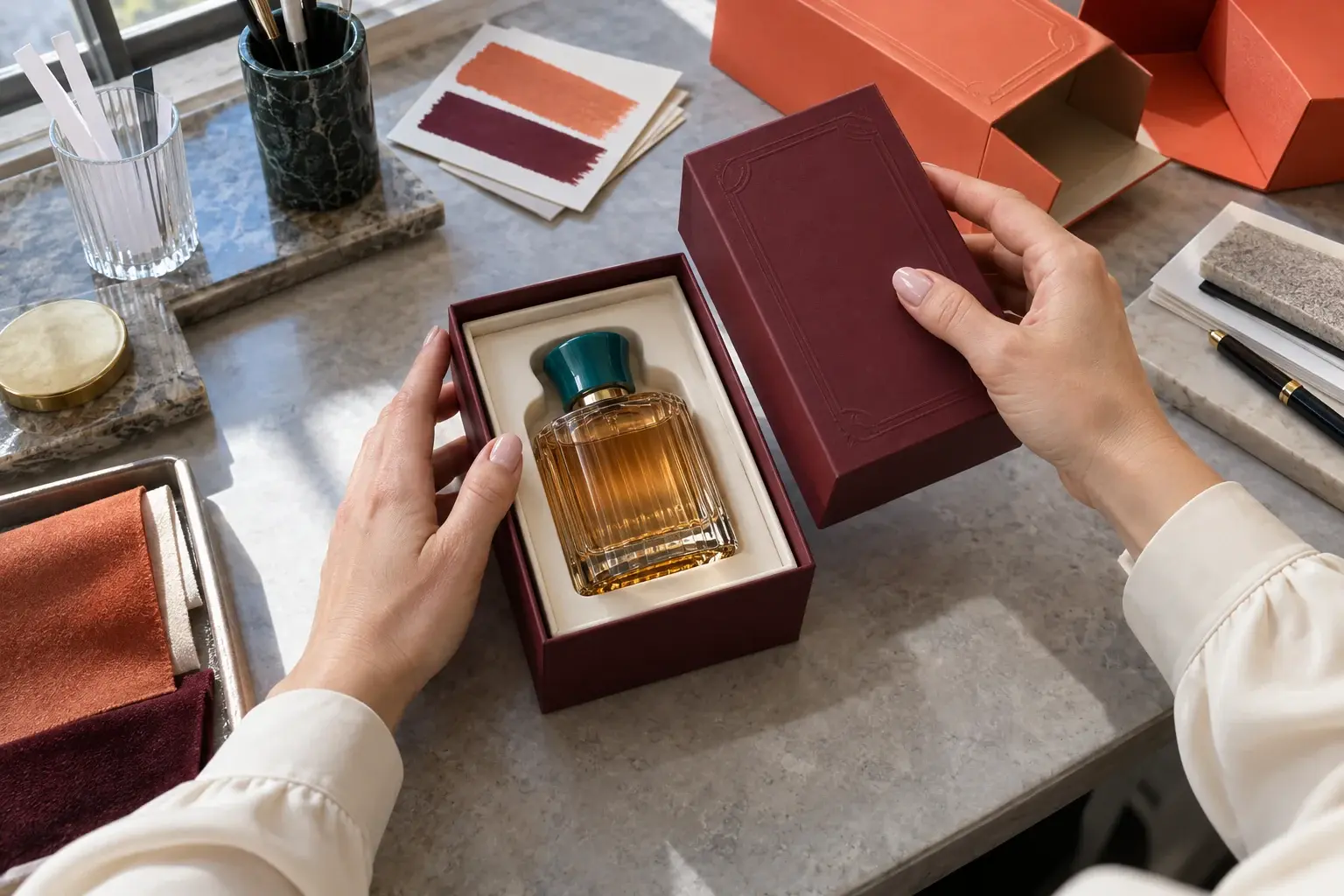
Editorial illustration
GURI Journal · Published 31 October 2026
A cosmetic sample can win approval in a meeting because its scent and texture fit the brand. Later, the same product may be difficult to dispense from the selected bottle, or the project may still lack evidence for its proposed claims. The problem is often an approval that covered more than anyone actually reviewed.
GURI recommends treating sample approval as a sequence of defined decisions. A development sample helps select a direction. A formula sample supports a more specific review. A sample in the intended sales packaging allows another set of questions to be addressed. None of these stages should silently stand in for all the others.
Give every sample a clear identity
Request a formula reference, preparation date, storage instructions and packaging description. Establish whether it is a laboratory preparation or represents the intended production process. Both may have a legitimate role, but the distinction matters when deciding what the sample demonstrates.
Use consistent identifiers in feedback and reports. “The second cream” becomes ambiguous after several deliveries. Keep a short revision history explaining what changed between versions and why. If the supplier changed both fragrance and texture, you need to know that before attributing the new result to one adjustment.
Also record the condition in which the sample arrived. Transport and storage history can affect the usefulness of a comparison. An old opened jar with an unclear history should not become the unquestioned reference for every subsequent batch.
Describe preferences without turning them into claims
Sensory feedback is useful when it is specific. Describe spreadability, residue, colour or fragrance intensity in agreed terms rather than asking for a product that “feels more premium”. Identify which characteristics should remain unchanged while another is adjusted.
Personal impressions do not establish safety, shelf life or a marketing claim. Do not treat informal use by colleagues as a substitute for a professionally designed assessment. Where human participation is appropriate, the method, safeguards and interpretation need qualified oversight.
Share the proposed positioning and claims with the responsible specialists early. If marketing changes the promise after testing has been planned, the evidence may no longer answer the right question. A polished label cannot resolve that mismatch.
Review the intended packaging combination
Ask for a sample using the proposed container, closure and dispensing components. A formula in a development jar cannot demonstrate how a pump will handle it. Observe operation, closure, residue around the opening and practical use within the agreed review procedure.
Professional testing may address questions that observation cannot. SGS's cosmetics service overview distinguishes stability and packaging assessment from other product checks. The relevant programme should be selected for the formulation, pack and intended conditions rather than copied from an unrelated project.
Consider a hypothetical change from a jar to a pump bottle. The formula may be unchanged, yet the dispensing experience and packaging considerations have changed. Treat the new combination as a review decision. Approving the original jar does not automatically approve the redesigned sales unit.
Plan evidence before fixing the launch date
Ask the qualified team to identify the necessary assessments, samples, methods and decision criteria. Depending on the product and market, this may involve different physical, chemical, microbiological, stability or claim-related work. Do not assume that a standard laboratory quotation covers every question in your project.
Distinguish completed work from work in progress. “Testing started” is a status, not a positive result. If a decision depends on a result that is still outstanding, show that dependency in the production plan. Otherwise, commercial pressure can turn a conditional approval into an unconditional one without a deliberate decision.
Shelf-life and storage statements need an appropriate basis. A sample that still looks acceptable after a short period on a desk does not establish a commercial shelf life. Ask which final formula and packaging the evidence relates to and how any later changes will be assessed.
Make feedback usable for development
Connect each comment to a sample and a specific observation. Separate a formula issue from a packaging issue, and prioritise changes. Altering several unrelated properties at once makes it harder to understand what improved the result or caused a new problem.
For a dispensing problem, record the relevant sequence and circumstances rather than simply writing “pump bad”. For a sensory preference, identify the comparison and desired direction. Keep the old and new decisions together so that another team member can understand the progression.
The final approval record should state the formula reference, packaging version, accepted characteristics and completed assessments. List outstanding conditions separately. Approval of appearance is not approval of every regulatory or technical question. Before production, agree how the manufacturer will identify the accepted version and notify you of changes. That makes the sample a usable production reference, with clear limits, instead of an attractive object carrying an undefined promise.