
China grain enterprise registration: when to check DAPQ and when to use CIFER
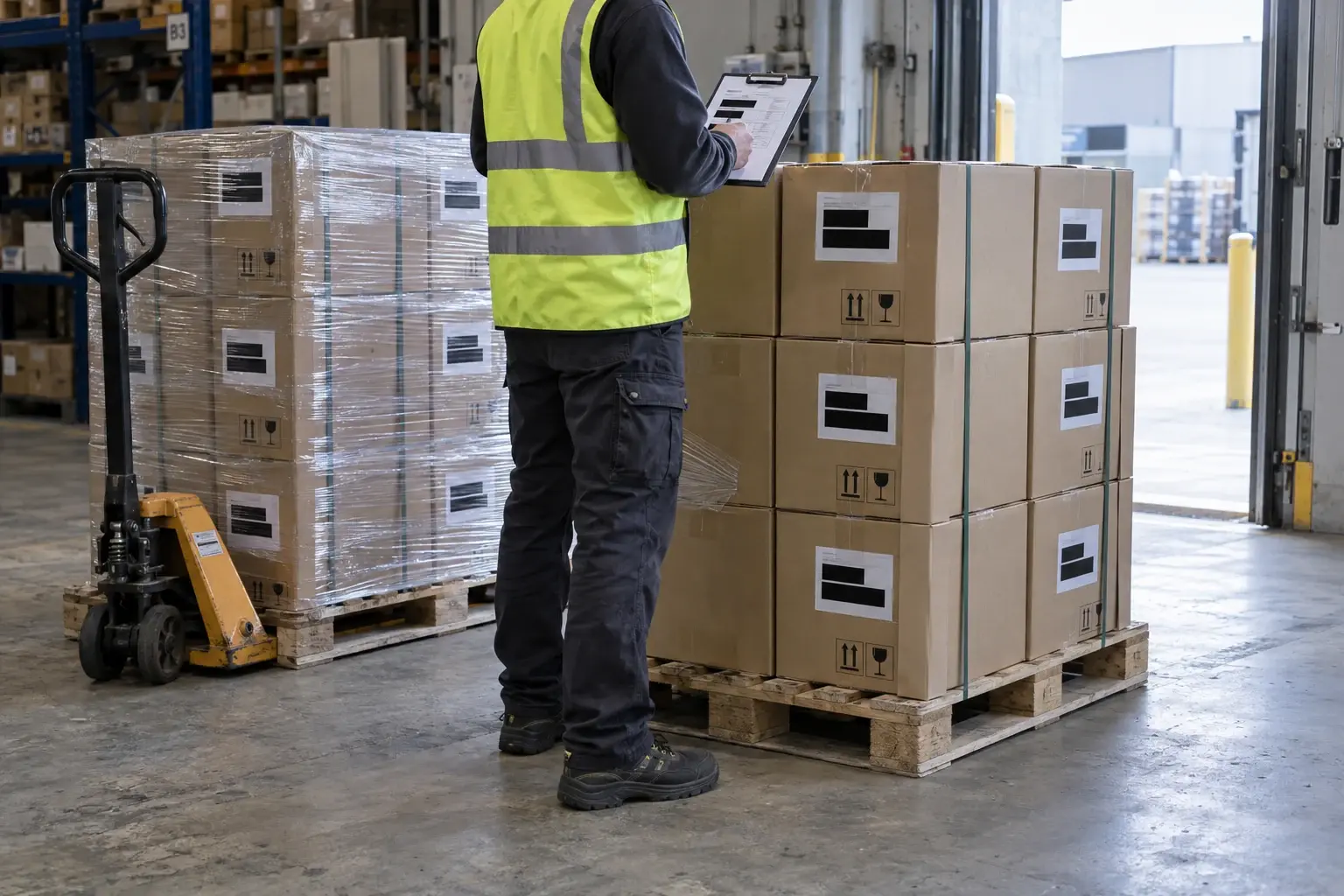
Editorial illustration
GURI Journal · Published 31 October 2026
“Please provide your GACC number” is a common opening request in a grain purchase. It becomes useful only when both sides know which enterprise, product and registration procedure the number should identify. A grain trader, a storage facility and a flour producer may be connected commercially without being interchangeable for registration purposes.
The distinction matters in October 2026 because China's revised overseas food registration framework and its arrangements for primary edible agricultural products must be read together. GURI's practical recommendation is to classify the transaction first, identify the relevant enterprise activities next, and only then prepare or verify an application. Starting with a familiar online form can send a well-prepared file down the wrong route.
Understand the boundary of the food registration framework
GACC Decree 280 took effect on 1 June 2026, replacing Decree 248. Its treatment of primary edible agricultural products is separate from the general overseas food manufacturer procedure. Announcement 27 of 2026 links those products to Announcement 219 of 2025.
Consequently, the word “grain” does not establish a universal CIFER route. Raw crops and processed grain products require a more precise category assessment. Intended use and processing are relevant, so the description should distinguish food, feed and propagation rather than treating them as alternative marketing labels.
An English-language notice from the Canadian Food Inspection Agency also explains the separation between CIFER and primary agricultural product arrangements. It is useful context for English-speaking readers, but Canadian application channels should not be copied into a Russian supplier's procedure. The competent authority and submission process must match the origin concerned.
Map the Russian procedure to the actual product
Rosselkhoznadzor's grain guidance, updated on 27 October 2026, distinguishes grain-related applications through its Cerber system from CIFER arrangements for specified processed products. Flour, groats, flakes and oils should not simply inherit the route used by their raw material.
Write down the proposed product and the supplier's actual operation. If processing changes the product category, reassess the route. Choosing the closest-looking category in a menu is not a substitute for confirming that the entry covers the physical goods and intended use.
The importer can help by aligning the Chinese product description with the Russian supplier's technical information. This is particularly valuable where the two commercial teams use broad translated terms. A bilingual product sheet gives the registration specialists a common factual basis instead of asking them to resolve ambiguous sales language.
Identify each enterprise's role
Registration requirements can concern different activities for different crops. Russian guidance distinguishes exporters, storage operators, producers and processors in its product-specific instructions. It is therefore necessary to establish who does what before deciding which enterprise's entry is relevant.
Start with the physical flow: where the grain originates, where it is processed if applicable, where it is stored and from where it is dispatched. Then connect the legal entities and addresses to those operations. The company signing the sales contract may occupy only one part of that flow.
This exercise often reveals a practical gap. A supplier may have documentation for a producer but expect an unrelated warehouse to assemble the shipment. The answer is to examine that warehouse's role under the applicable procedure. Repeating the producer's registration number on every document does not establish coverage for a different location.
Prepare consistent names, addresses and activity descriptions
Use controlled versions of the enterprise's names and addresses, including the English information required by the Russian guidance. Do not allow each intermediary to create a new translation. Differences between applications, supporting records and commercial documents make it harder to establish that they concern the same facility.
Describe the activity accurately. A storage operator should not be presented as a producer merely because a form or consultant's template assumes manufacturing. Likewise, a registered office and an operating site should remain distinguishable where they are different places.
Have operational staff review the product and process description before submission. They can identify details a sales team may overlook, such as processing steps or the origin of incoming material. The objective is a coherent file that can be checked against real operations, not a more impressive description of the business.
Keep application milestones separate from approval
Russian grain procedures include interaction with the territorial authority, examination and the transmission of information through the prescribed process. Passing one stage is not proof that the Chinese registration stage is complete. The buyer should ask for the current milestone and its supporting evidence.
The official guidance discusses both restricted access status pending approval and the later status associated with Chinese approval. Planned list-submission dates are administrative milestones, not guaranteed completion dates for every enterprise. A delivery promise based solely on the next scheduled submission can therefore create an avoidable commercial problem.
When an application is pending, write the contract or planning assumption around the actual condition. The operational question is what must be confirmed before dispatch, and how the parties will respond if confirmation takes longer than expected. A consultant's estimate cannot control the authority's decision.
Verify the current entry and manage changes
The Russian page links to the new overseas grain enterprise register and describes harmonisation with earlier lists. It also gives specific guidance on existing CIFER registrations and new applications for several crops, including oats, buckwheat, peas, flaxseed and sunflower seed. An existing registration and a new application should not be assumed to follow identical treatment.
Compare the current entry with the proposed shipment: enterprise identity, location, product and activity must make sense together. Where information is missing or inconsistent during the transition, seek clarification through the competent authority. Preserve the dated result rather than relying on a forwarded screenshot whose scope is unclear.
After approval, review changes to names, sites and operations before treating them as covered. Assign someone to maintain the registration information and ensure that commercial teams report supply-chain changes. Registration is most useful when it remains connected to the business actually handling the grain. It supports the transaction alongside crop eligibility, importer requirements and lot documentation; it does not replace those separate checks.