
Paying suppliers in China: check the invoice and payment instructions
Editorial illustration
GURI Journal · Published 31 October 2026
A supplier payment can look ready because the invoice is signed, the amount matches the purchase order and a bank account is printed at the bottom. Yet those checks may leave the most important question unanswered: does this instruction correctly connect your company’s obligation to the intended recipient? An attractive document is not evidence that every detail has been agreed or independently verified.
GURI starts with the transaction behind the transfer. Establish the parties, the payment stage, the currency and the evidence expected at completion. That gives the finance team something more useful than a copied set of banking fields: a payment instruction that can be explained, checked and reconciled with the purchase.
Identify the seller and the beneficiary
Compare the legal names in the contract, invoice and beneficiary instructions. A brand, an English trading name and the registered company name may all appear in the correspondence. Ask for a documented explanation of their relationship instead of assuming that similar names describe the same entity.
If the beneficiary is different from the seller, treat that as a separate question. Establish why the payment is being directed elsewhere, who authorised the arrangement and how the seller will recognise it against your obligation. The appropriate documentation and acceptability depend on the parties, jurisdictions and institutions involved. A short message saying that the account belongs to a partner does not resolve those questions.
Also check who is authorised to change instructions. The person discussing delivery dates may not be the person responsible for approving a new beneficiary. Your own approval process should distinguish a commercial update from a change to where company funds will be sent.
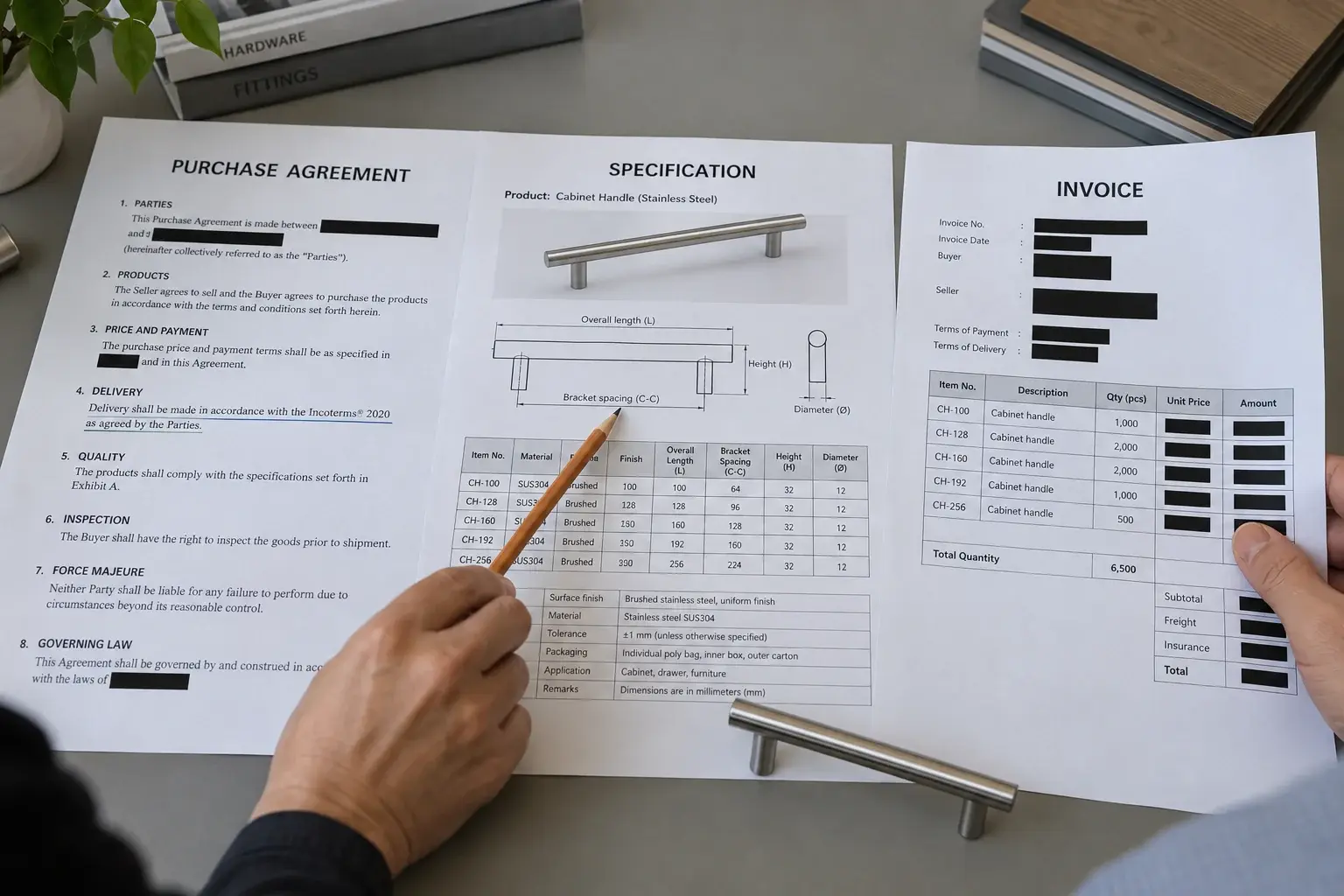
Reconcile the invoice with the purchase
Confirm the order reference, goods or services, amount and payment stage. Is this a deposit, a progress payment or the balance after an earlier advance? Where previous payments exist, reconcile them with the supplier’s records. A debit in your account does not, by itself, show how the supplier allocated that money.
Separate the transaction currency from any currency used to fund the payment. If conversion is involved, agree how the amount is determined and when the rate becomes binding. Phrases such as “the current rate” are incomplete unless both sides understand the reference and timing.
Review additional invoice lines as well. Freight, packaging or another charge may explain a difference from the original order. Resolve the commercial basis before editing the total. Otherwise, a payment that is arithmetically correct may still leave the parties with different expectations about what has been settled.
Obtain instructions for the actual account and currency
Use instructions supplied through an established relationship and relevant to the intended payment. Check the beneficiary name, account identifier, bank details and any additional information required by your bank. Do not fill a missing field by choosing a plausible result from a general search.
Banking instructions can depend on the currency and receiving arrangement. A previous transfer is a useful reference, but it is not a substitute for confirming the current details. Ask your bank how to handle any field you cannot confidently interpret, rather than adapting another payment’s instructions without explanation.
Keep the source of the instructions with the payment file. A colleague reviewing the transaction should be able to tell where the details came from and which version was approved. That matters when the order, invoice and payment form were prepared by different people at different times.
Verify changes outside the email requesting them
A last-minute change deserves a deliberate check, even when the message appears in a familiar conversation. HSBC’s business email compromise guidance recommends a separate verification channel using previously verified contact details. The new message should not supply both the instruction and the only means of authenticating it.
Record what was confirmed, by whom and against which account details. A vague note that the supplier was contacted is weaker than a clear record of the actual instruction checked. This is particularly useful when an urgent request is handed between employees or arrives while the usual contact is away.
Independent confirmation addresses authenticity. It does not establish that the entire transaction is legally permissible, that the recipient is entitled to the payment or that a bank will process it. Those remain distinct checks within the payment preparation.
Explain the real transaction to the bank
Ask your sending bank what it needs for this operation and provide consistent documents. The relevant requirements depend on the payer, beneficiary, purpose, currency and applicable rules. An answer to a general question about transfers to China is not confirmation that a particular transaction can proceed.
Describe the payment stage accurately. If several invoices are being paid together, provide an allocation. If a third party is involved, explain its role and contractual basis. Do not change the commercial description merely to make a form easier to complete; resolve inconsistencies in the underlying documents.
Agree who will respond if more information is requested. A payment can stall operationally because the person holding the relevant contract amendment is unavailable. Preparing the documents and the response owner together makes follow-up more manageable without promising a particular processing time.
Understand the amount the supplier expects to receive
Separate your bank’s charges, currency conversion, intermediary costs and any other agreed fees. Confirm whether the supplier expects the full invoice amount or whether particular deductions have been allocated differently. A low headline fee says little about the final cost if the exchange rate or receiving deductions are unclear.
Keep the quotation’s conditions and validity with the approval. If the amount, date or payment structure changes, check whether the quoted terms still apply. A preliminary conversation should not quietly become a claim that all costs and timing have been fixed.
Define completion before sending
Decide what evidence will demonstrate submission, debit, transmission and receipt. These stages may have different records. Ask which transaction reference is available for a status enquiry and who will contact the institution if the expected progress does not occur.
Request confirmation from the supplier of the amount, currency and order allocation once funds arrive. A message saying “received” can leave an unresolved balance if the supplier has applied the payment to another invoice. Match the confirmation to the obligation, not merely to the fact that some money reached the account.
Retain the approved instructions, invoice, supporting documents and subsequent confirmations as one file. For a repeat purchase, reuse the structure while checking the variable details again. Good preparation creates a clear record of this transaction; it does not turn a successful transfer into a permanent assurance about future ones.