
Furniture sample approval: what to confirm before production
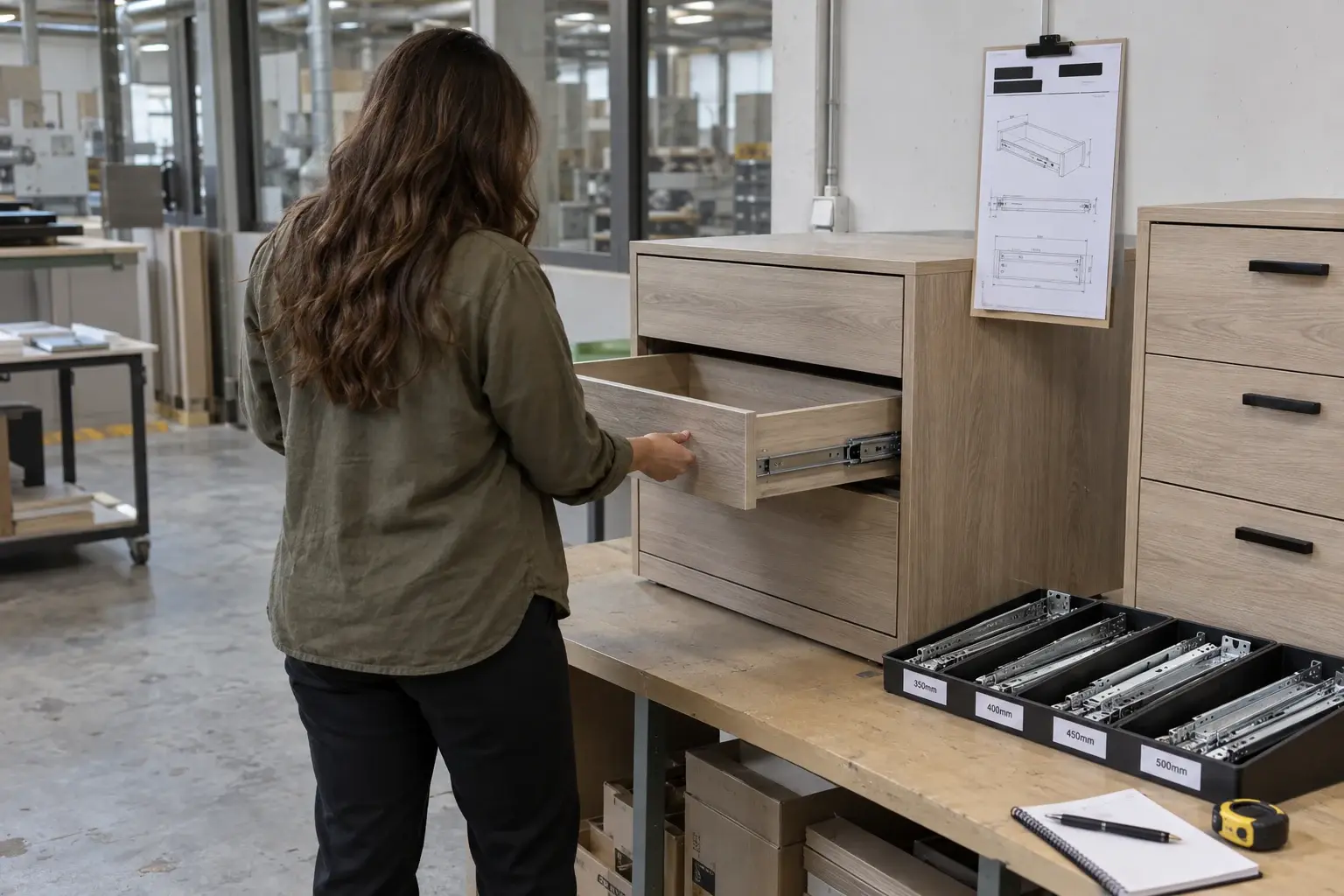
Editorial illustration
GURI Journal · Published 30 October 2026
A showroom chair can help you choose a design, but it does not necessarily represent the version that will arrive in a production order. The upholstery, construction or assembly process may differ. The buyer needs to establish what the sample represents before using it to approve anything else.
GURI treats sample approval as a recorded decision about a specific product version. The aim is to identify the properties accepted, the corrections required and the questions that remain open. “Looks good” does not provide that information to the factory or the inspector.
Choose the sample for the question
A fabric swatch helps assess colour and texture. A finish sample addresses a surface. A complete item can support a review of proportions, fit and use. These approvals are different: accepting upholstery does not also approve the seams, frame or hardware of a finished chair.
List the uncertainties first. Do you need to check seating comfort, clearance under a table, assembly or a particular material? That determines whether a full prototype is necessary or whether part of the work can begin with smaller references.
If approval is based on photographs, state its limits. Images can support a visual review, but they do not confirm every physical property. Do not record an unexamined characteristic as accepted simply because the rest of the sample appears satisfactory.
Establish the intended production version
Ask for the model, revision, materials, components and known differences from the planned production order. A sample made in temporary fabric may be useful for checking shape, but its purpose needs to be explicit before the review.
Ask which operations or inputs will change in series production and how those changes will be confirmed. One carefully finished item does not establish repeatability across a batch. Agree how the first production item will be compared with the approved version.
The SGS furniture inspection overview describes checks at different production stages. The practical choice depends on when a property can still be examined and corrected, rather than on arranging a visit merely because one is available.
Review the item as it will be used
For furniture assembled by the recipient, begin with the packaged components and instructions. Check the agreed contents and whether the assembly sequence is understandable. A finished showroom item cannot reveal every difficulty a customer may encounter while building it.
Compare the specified dimensions and interactions with the actual setting. An armrest may need to fit beneath a tabletop; a packaged sofa may need to pass through a doorway. Product dimensions and packaging dimensions answer different questions.
Keep informal observations separate from specialist testing. Comfort assessment, visual inspection and safety verification do not use interchangeable methods. Where the project requires tested performance, agree an appropriate method and make sure the evidence applies to the actual configuration.
Turn comments into actionable findings
Instead of recording only “wrong colour” or “too firm”, explain the reference, conditions and change to be considered. Use measurements where appropriate and attach photographs with clear labels. Do not invent numerical tolerances simply to make the document look technical.
Number the findings and distinguish a proposed correction from a verified result. This helps when several people or languages are involved. The supplier should be able to connect each comment to a component or property without guessing what the buyer meant.
State whether production may begin
A conditional approval needs boundaries. If the shape is accepted but the leg attachment must change, say whether production is on hold and what evidence closes the issue. A general approval message can otherwise be interpreted more broadly than intended.
Check the consequences of changes. Different hardware may require new holes or instructions; another fabric may require a further review of appearance or comfort. Approval of an isolated component does not automatically resolve its effect on the complete item.
Keep an identifiable reference
Label the accepted sample and retain its revision, date, photographs, specification and findings. Agree where the physical reference will be kept and how the production or inspection team can access it. If both parties retain samples, establish that the references correspond.
For naturally variable materials, discuss the acceptable range rather than relying on one small fragment. Also specify how later substitutions are proposed and approved. Keeping the same product code does not make a changed material the same agreed version.
Before shipment, clarify sample costs, transport and any conditions for crediting the charge against a production order. For a GURI discussion, prepare the furniture list, drawings or images, intended use and unresolved questions. The outcome should be a usable production reference, with an approval history that the next person can understand without reconstructing months of messages.