
Product inspection in China
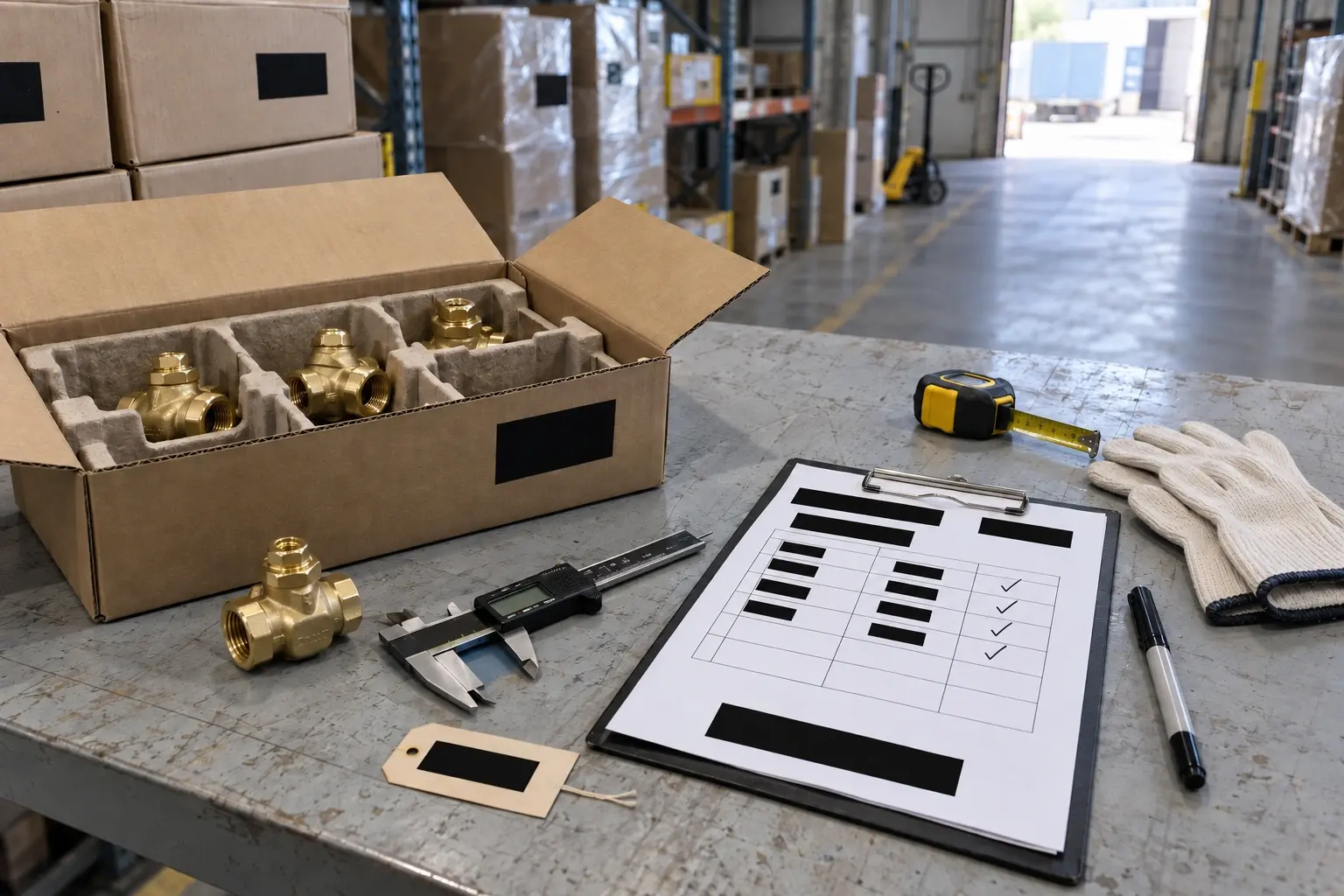
Editorial illustration
Guri Journal · Updated 30 October 2026
The order is nearly ready, the freight forwarder wants a loading date and the supplier is requesting the balance. At this point, “the goods have been inspected” sounds reassuring. Its meaning, however, depends on what was inspected, against which requirements and with what limitations. A visit can produce plenty of photographs while leaving the buyer's most important question unanswered.
GURI treats inspection as evidence for a decision: release the shipment, arrange corrections or obtain information that is still missing. Define that decision before booking the visit, and leave time to act on the findings.
Start with the ways the product could fail its purpose
Tell the inspector what matters to the intended use. A connection dimension may determine whether a component fits; missing fittings may prevent assembly; a visible finish may decide whether a retailer accepts the goods. “Check the quality” does not communicate those priorities.
Provide the current specification, approved reference, quantities and packaging requirements. Describe the method and acceptable result for important checks. Resolve conflicting drawings before the visit. An inspector cannot turn an expectation that was never agreed with the supplier into a contractual requirement after production.
Establish the actual batch and its readiness
Confirm where the goods are, how many are complete, how many are packed and whether the inspector can access the relevant stock. The report should connect the order, models, markings and available quantity. A warehouse photograph alone does not identify your consignment.
Inspecting during production may reveal a recurring problem early. That is useful, but it cannot establish the condition of goods that have not yet been made. Name the stage accurately and distinguish a progress check from a final assessment. Schedule enough time after the report for corrections; a truck waiting outside creates pressure to accept unresolved defects.
Make the sample meaningful
Agree the selection method and acceptance criteria in advance. Supplier-selected display samples are not equivalent to an independent selection from the accessible batch. Where several models are included, make sure the plan addresses differences that matter to the buyer.
If an AQL sampling plan is used, specify the plan and defect classifications with the inspection provider. A familiar AQL number is not a guarantee that every item is good, nor a promise of an exact defect percentage in the shipment. Record how many units were checked and what remained outside the scope. The NIST handbook explains acceptance sampling and its decision risks.
Separate appearance, function and safety
A good finish does not establish material composition. Switching a product on does not prove long-term reliability. Properties requiring laboratory methods need an appropriate testing plan, and any report must apply to the actual model and configuration being purchased.
On 29 May 2025, the US CPSC announced an iWALK power bank recall involving battery fire hazards. This external example is not a GURI case. It illustrates the importance of safety, but does not show that an ordinary visual inspection would have detected the cause. Keep those conclusions separate.
Include packaging and identify the handover
An acceptable product can still arrive damaged if it moves freely inside the carton or its accessories rub against the finish. Compare internal protection, carton contents and markings with the agreed requirements. Special packaging tests should be specified beforehand rather than improvised on site.
Final inspection and loading supervision also answer different questions. If the buyer needs evidence that the inspected cartons were actually loaded, identify that as a separate task. SGS describes quality, quantity, marking, packing and loading as inspection subjects; the work commissioned determines the actual scope.
Read findings before relying on the overall verdict
A useful finding connects the requirement, observed result, method, affected samples and evidence. “Outside the agreed tolerance” differs from “not measured”: one identifies a deviation, the other a gap in information. A general pass label should not hide either.
For defects, agree the correction, affected quantity, responsible person and deadline. Decide whether reinspection is needed and what it must establish. A few new photographs do not automatically prove that the complete batch has been corrected. Record any accepted deviation precisely so that accepting one feature is not mistaken for accepting every unresolved issue.
For a GURI discussion, prepare the product description, quantities by model, location, readiness date, specification and the errors that would be most costly. Those details make it possible to scope useful work. The desired result is a clear account of what is confirmed, what needs correction and what remains untested.